Tracing Dapper toward the Digital Transformation of Gentlemen’s Grooming Habits Over the Ages
Wiki Article
Men’s grooming has experienced a significant transformation throughout the years, reflecting shifts in social values, technology, and personal identity. In the beginning twentieth century, men’s styling was characterized by a focus of sophistication and routine. Traditional barber shops functioned as community hubs where men met not only for a trim and haircut but also for socializing and companionship. Grooming products such as hair creams, shaving creams, and aftershaves were staples, highlighting cleanliness and professionalism. This classic period set the foundation for men’s care as an essential aspect of appearance and confidence.
As the middle 20th era emerged, male grooming started to reflect larger cultural movements. The influence of cinematic figures such as James Dean and famous stars shaped standards of masculinity and personal style. Hairstyles became expressions of identity, with trends like slicked-back looks, crew cuts, and parted looks gaining popularity. The invention of electric razors and post-shave products made daily habits more efficient, combining utility with personal style. During this time, personal care grew more accessible, with mass-market manufacturers introducing affordable products that helped men keep a polished look without professional help.
click for more info 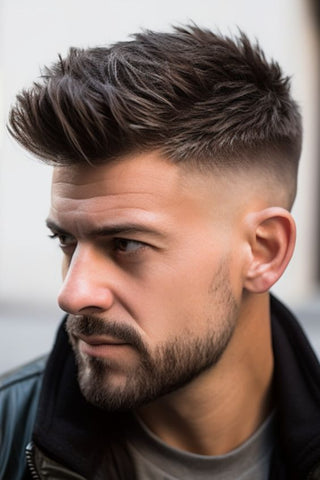
The later 20th era marked a visit here new chapter in the development of male personal care. The rise of the health and self-care trends brought heightened attention to overall appearance and hygiene. Men started to embrace skin treatments, fragrances, and hairstyling formulas more confidently, influenced by media and celebrity culture. This time also witnessed the growth of style publications and grooming segments on media, which encouraged readers to show a more engaged interest in their style. The concept of manliness expanded to embrace self-care, promoting men to view personal care as a sign of self-respect rather than vanity.
With the arrival of the digital era, male grooming moved into a technologically driven shift. Online guides, social media creators, and marketing campaigns redefined how men learned and adopted care habits. Membership care boxes, advanced skincare formulas, and connected grooming tools turned into part of everyday life. Companies now emphasize diversity and individuality, navigate here promoting varied styles that appeal to each lifestyle—from clean-shaven workers to those embracing facial hair and authentic styles. Innovation has enabled men to get expert advice quickly, personalizing their care habits like never before.
Currently, men’s personal care continues to advance as it balances heritage with innovation. Contemporary individuals value authenticity and functionality, seeking items that align with both their personality and lifestyle. Sustainable care habits and ethically sourced formulas are now at the forefront, indicating a increasing concern of environmental responsibility. What began as a basic routine of trimming and haircuts has developed into a comprehensive aspect of self-maintenance. The evolution of male grooming not only reflects cultural progress but also demonstrates how personal style stays a timeless representation of individuality.